
Understanding the nuanced relationship between a popular weight loss drug and bone health.
27+ Sources
- 1.Key Insights into Ozempic and Bone Health
- 2.The Indirect Link: Weight Loss and Bone Density
- 3.The Nuance of Scientific Evidence: Ozempic’s Direct Effects
- 4.Mitigating Risks: Proactive Strategies for Bone Health
- 5.Clinical Monitoring and Personalized Care
- 6.The Interplay of Weight Loss and Bone Health: A Broader Perspective
- 7.Frequently Asked Questions (FAQ)
- 8.Conclusion
- 9.Recommended Searches
- 10.Referenced Search Results
Key Insights into Ozempic and Bone Health
- Rapid weight loss, not Ozempic directly, is the primary concern: The most significant factor linking Ozempic to potential bone density issues is the rapid and substantial weight loss it often induces, which can reduce bone mineral density.
- Mixed scientific evidence exists: While some studies indicate potential bone density reduction, particularly in the context of rapid weight loss, other research suggests neutral or even beneficial effects of GLP-1 receptor agonists on bone health.
- Proactive bone health strategies are crucial: Maintaining adequate nutrition (especially calcium and vitamin D), engaging in weight-bearing exercises, and regular medical monitoring are vital for individuals using Ozempic, especially those with pre-existing risk factors for osteoporosis.
Ozempic (semaglutide), a GLP-1 receptor agonist, has gained significant attention for its efficacy in managing type 2 diabetes and promoting weight loss. However, its widespread use has also sparked discussions about potential side effects, including its impact on bone health and the risk of osteoporosis. The relationship between Ozempic and bone density is complex, with current research presenting a nuanced picture rather than a definitive cause-and-effect. It is crucial for individuals using or considering Ozempic to understand these potential implications and discuss them with their healthcare providers.
The Indirect Link: Weight Loss and Bone Density
The prevailing consensus among experts is that while Ozempic itself does not directly cause osteoporosis, the rapid and significant weight loss it facilitates can indirectly contribute to reduced bone mineral density. This indirect link is a key area of concern.
The Mechanics of Weight Loss and Bone Health
When individuals experience rapid weight loss, several physiological changes can affect bone health:
Reduction in Fat and Muscle Mass:
Fat tissue plays a role in producing hormones that contribute to bone maintenance. A substantial reduction in fat mass can therefore impact bone strength. Similarly, muscle loss, often accompanying rapid weight reduction, can decrease the mechanical stress on bones, which is essential for stimulating bone growth and density. Less muscle also increases the risk of falls, leading to fractures.
Nutritional Deficiencies:
Weight loss regimens, particularly those that are very restrictive or lead to decreased appetite, can sometimes result in inadequate intake of essential nutrients like calcium and vitamin D, both critical for bone health. Malabsorption issues can also exacerbate this problem.
This dynamic relationship is illustrated by personal accounts, such as that of Avery, who reported developing osteoporosis after a year of Ozempic use and significant weight loss. Such experiences underscore the importance of professional medical supervision during rapid weight loss journeys.
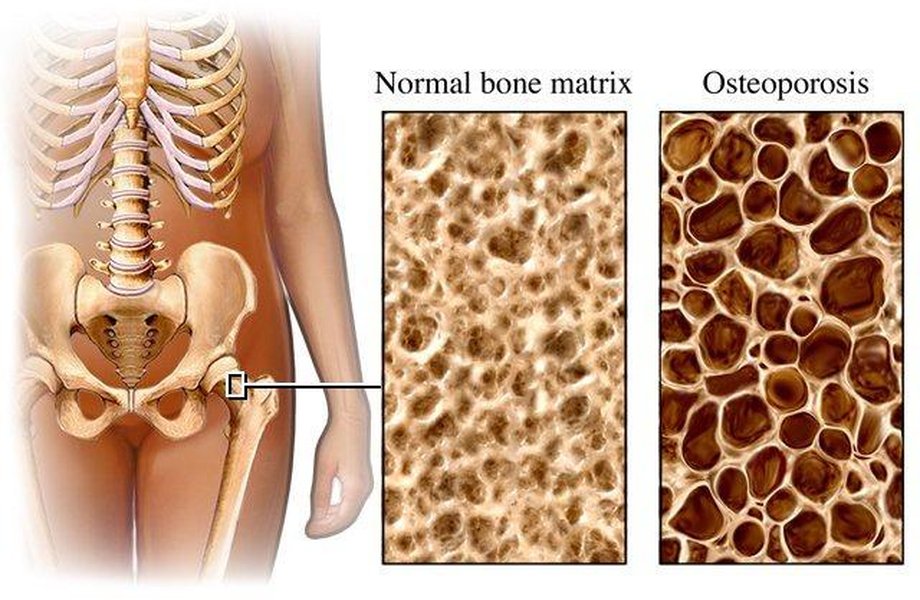
The human skeletal structure, a foundation for overall health.
The Nuance of Scientific Evidence: Ozempic’s Direct Effects
The scientific community continues to investigate the precise direct effects of GLP-1 receptor agonists like semaglutide on bone metabolism. The evidence thus far is not entirely uniform, suggesting a complex interplay.
Conflicting Findings and Ongoing Research
Some studies and observations have indicated that GLP-1 receptor agonists might be associated with a decrease in bone mineral density. These findings often point to an increased rate of bone resorption (breakdown) without a corresponding increase in bone formation. This imbalance could, over time, lead to reduced bone density.
Conversely, other research suggests that these drugs may have a neutral or even potentially beneficial effect on bone health in certain contexts. For instance, some mechanisms indicate that semaglutide could influence bone formation pathways, such as the Wnt/LRP5/β-catenin pathway. The long-term effects and how these balance out with the indirect effects of weight loss are still being elucidated.
This radar chart illustrates the perceived impact on various aspects of bone health, distinguishing between the direct effects of Ozempic and the indirect effects of rapid weight loss. The scale of 1 to 5 represents increasing severity of impact, with 1 being minimal and 5 being significant. It highlights that rapid weight loss appears to have a more profound negative impact on bone density and muscle preservation compared to the direct drug effect.
Factors Influencing Outcomes
The impact of Ozempic on bone health can be influenced by several factors:
- Duration and extent of weight loss: More rapid and extensive weight loss is generally associated with a greater potential for bone density reduction.
- Individual patient characteristics: Older adults, postmenopausal women, and individuals with pre-existing conditions like osteopenia or osteoporosis are at higher risk.
- Lifestyle interventions: The presence of adequate nutrition and regular weight-bearing exercise can significantly mitigate potential negative effects.
Mitigating Risks: Proactive Strategies for Bone Health
Given the potential for reduced bone density, particularly due to rapid weight loss, proactive measures are crucial for individuals using Ozempic. These strategies focus on supporting overall bone health.
Nutritional Support
Ensuring adequate intake of bone-essential nutrients is paramount:
- Calcium: A foundational mineral for bone structure. Dietary sources include dairy products, fortified plant-based milks, leafy green vegetables, and certain fish.
- Vitamin D: Essential for calcium absorption and bone mineralization. It can be obtained through sunlight exposure, fortified foods, and supplements.
- Other Micronutrients: Magnesium, phosphorus, vitamin K, and various trace minerals also play supportive roles in bone health.
Importance of Exercise
Physical activity, particularly weight-bearing and muscle-strengthening exercises, is vital for stimulating bone growth and maintaining density.
- Weight-bearing exercises: Activities like walking, jogging, dancing, and stair climbing put stress on bones, encouraging them to become stronger.
- Strength training: Using weights, resistance bands, or bodyweight exercises helps build muscle, which in turn supports bones and reduces the risk of falls.
mindmap
root[“Ozempic Use & Bone Health”]
Ozempic_Mechanism[“Ozempic (Semaglutide)”]
GLP1_Agonist[“GLP-1 Receptor Agonist”]
Type2_Diabetes_Treatment[“Type 2 Diabetes Management”]
Weight_Loss_Aid[“Weight Loss Aid”]
Bone_Health_Impact[“Potential Impact on Bone Health”]
Indirect_Effects[“Indirect Effects (Primary Concern)”]
Rapid_Weight_Loss[“Rapid/Significant Weight Loss”]
Reduced_Fat_Mass[“Reduced Fat Mass”]
Hormonal_Impact[“Impacts Hormone Production for Bone”]
Reduced_Muscle_Mass[“Reduced Muscle Mass”]
Decreased_Bone_Stress[“Less Mechanical Stress on Bones”]
Increased_Fall_Risk[“Increased Risk of Falls & Fractures”]
Nutritional_Deficiencies[“Potential Nutritional Deficiencies”]
Insufficient_Calcium[“Calcium Deficiency”]
Insufficient_Vitamin_D[“Vitamin D Deficiency”]
Malabsorption[“Potential Malabsorption”]
Direct_Effects[“Direct Effects (Under Investigation)”]
Mixed_Evidence[“Mixed Scientific Evidence”]
Bone_Resorption_Increase[“Some Studies: Increased Bone Resorption”]
Neutral_Beneficial[“Other Studies: Neutral or Beneficial Effects”]
Wnt_Pathway[“Influences Wnt/LRP5/β-catenin Pathway”]
Mitigation_Strategies[“Mitigation Strategies”]
Medical_Monitoring[“Regular Medical Monitoring”]
Bone_Density_Screening[“Bone Density Screenings (DXA Scan)”]
Individualized_Assessment[“Personalized Risk Assessment”]
Nutritional_Support[“Nutritional Support”]
Calcium_Intake[“Adequate Calcium Intake”]
Vitamin_D_Intake[“Adequate Vitamin D Intake”]
Balanced_Diet[“Balanced Nutrient-Rich Diet”]
Exercise_Regimen[“Tailored Exercise Regimen”]
Weight_Bearing_Exercise[“Weight-Bearing Activities”]
Strength_Training[“Muscle-Strengthening Exercises”]
Lifestyle_Factors[“Overall Healthy Lifestyle”]
Avoid_Smoking[“Avoid Smoking”]
Limit_Alcohol[“Limit Alcohol Consumption”]
This mindmap illustrates the multifaceted connection between Ozempic use and bone health, detailing both the indirect effects primarily driven by rapid weight loss and the more nuanced direct effects currently under scientific investigation. It also outlines key mitigation strategies for maintaining bone health.
Clinical Monitoring and Personalized Care
Healthcare providers play a crucial role in assessing and managing the bone health of individuals on Ozempic, especially those with identified risk factors.
Risk Factors for Bone Density Loss
Certain populations are at a higher risk and require closer monitoring:
- Older adults
- Postmenopausal women
- Individuals with a history of osteoporosis or osteopenia
- Those with a family history of osteoporosis
- Long-term corticosteroid use
- Certain medical conditions affecting bone metabolism
Monitoring and Intervention
Regular bone density screenings, such as DXA scans, may be recommended for at-risk individuals. Furthermore, healthcare providers can offer personalized advice on diet, exercise, and, if necessary, calcium and vitamin D supplementation. The decision to use Ozempic should always involve a thorough discussion of its benefits versus potential risks, tailored to the individual’s health profile.
Comprehensive Bone Health Management during Ozempic Therapy
| Aspect of Care | Description and Importance | Key Recommendations |
|---|---|---|
| Nutritional Assessment | Evaluates dietary intake to ensure sufficient calcium, vitamin D, and other bone-supporting nutrients. Rapid weight loss can lead to deficiencies. | Encourage dairy products, leafy greens, fortified foods. Consider supplements for calcium (1000-1200 mg/day) and Vitamin D (600-800 IU/day, or higher based on levels). |
| Physical Activity Prescription | Tailored exercise to promote bone strength and muscle mass, counteracting loss from rapid weight reduction and preventing falls. | Incorporate 30 minutes of weight-bearing exercise (e.g., walking, jogging) most days of the week, and 2-3 sessions of strength training (e.g., bodyweight, resistance bands) weekly. |
| Bone Mineral Density (BMD) Monitoring | Regular assessment of bone density, especially for at-risk individuals, to detect any significant loss early. | DXA scans at baseline and periodically (e.g., every 1-2 years) for patients with osteoporosis risk factors or significant weight loss. |
| Risk Factor Management | Identification and management of pre-existing conditions or lifestyle factors that heighten osteoporosis risk. | Review medical history for chronic diseases, medication use (e.g., corticosteroids), and habits (e.g., smoking, excessive alcohol). Address these proactively. |
| Patient Education | Empowering patients with knowledge about bone health, potential risks with Ozempic, and self-care strategies. | Open communication with healthcare provider about any concerns. Emphasize importance of adherence to nutritional and exercise guidelines. |
This table summarizes crucial aspects of bone health management for individuals undergoing treatment with Ozempic, emphasizing a holistic approach that includes nutrition, exercise, and medical monitoring.
The Interplay of Weight Loss and Bone Health: A Broader Perspective
The discussion around Ozempic and bone health extends to the broader implications of weight loss, regardless of the method, on skeletal integrity. While the benefits of weight loss for metabolic health are clear, its impact on bones needs careful consideration.
This bar chart compares the theoretical impact of rapid versus gradual weight loss (with lifestyle support) on various health parameters, including bone density and muscle mass. The scale from 0 to 10 indicates the perceived positive impact, with 10 being the most beneficial. It suggests that gradual weight loss, accompanied by lifestyle interventions, is generally more favorable for bone health and overall well-being.
Long-Term Bone Health Considerations
The ultimate goal is to achieve sustainable weight loss that not only improves metabolic health but also preserves skeletal integrity. This often involves a multidisciplinary approach that includes:
- Medical supervision to monitor health parameters, including bone density.
- Dietary counseling to ensure adequate nutrient intake.
- Exercise programs tailored to individual needs and capabilities.
- Education on the importance of long-term bone health strategies.
Frequently Asked Questions (FAQ)
Does Ozempic directly cause osteoporosis?
No, current evidence suggests Ozempic itself does not directly cause osteoporosis. The primary concern is that the rapid and significant weight loss induced by Ozempic can indirectly contribute to reduced bone mineral density.
Why does weight loss affect bone density?
Rapid weight loss can reduce fat and muscle mass, both of which are important for bone health. Fat tissue produces hormones that support bone strength, and muscle provides mechanical stress essential for bone density. Additionally, inadequate nutrition during weight loss can lead to deficiencies in essential bone-building nutrients like calcium and vitamin D.
Who is most at risk for bone density issues when taking Ozempic?
Individuals at higher risk include older adults, postmenopausal women, those with pre-existing conditions like osteopenia or osteoporosis, and those with a family history of osteoporosis.
What can I do to protect my bones while on Ozempic?
To protect your bones, ensure adequate intake of calcium and vitamin D, engage in regular weight-bearing and muscle-strengthening exercises, and discuss your bone health with your healthcare provider for personalized monitoring and advice.
Should I stop taking Ozempic if I am worried about my bone health?
Never stop taking Ozempic without consulting your healthcare provider. Discuss your concerns with them, as they can assess your individual risk, monitor your bone density, and recommend appropriate strategies to mitigate any potential issues.
Conclusion
The relationship between Ozempic and osteoporosis is primarily mediated by the effects of rapid weight loss on bone mineral density. While Ozempic offers significant benefits for diabetes management and weight reduction, it is crucial to recognize and address the potential impact on skeletal health. A proactive approach, involving comprehensive nutritional support, regular weight-bearing exercise, and ongoing medical monitoring, is essential for preserving bone integrity. Individuals considering or currently using Ozempic should maintain an open dialogue with their healthcare providers to ensure their treatment plan optimally balances metabolic health improvements with long-term bone health maintenance.
Recommended Searches
- How do GLP-1 receptor agonists influence bone metabolism?
- What are the best strategies for osteoporosis prevention during weight loss?
- What is the optimal intake of calcium and vitamin D for bone health?
- How does muscle loss specifically impact bone density and strength?
Referenced Search Results
bannerhealth.com
How Ozempic Could Affect Your Bone Health | Banner Health
womenshealthmag.com
Study: Weight Loss Drugs Like Ozempic Could Trigger Bone Loss – Women’s Health Magazine
healthline.com
Ozempic May Make Your Muscles and Bones Weaker – Healthline
biostrong.ca
The Hidden Danger: How Weight Loss Medications Impact Bone Density – BioStrong
drugs.com
Do GLP-1 drugs like Ozempic or Wegovy affect bone density? – Drugs.com
youtube.com
Avery in ‘shock’ after revealing deadly disease from Ozempic – YouTube
youtube.com
I got Osteoporosis from Ozempic – YouTube
youtube.com
Ozempic use often leads to loss of more muscle than fat – YouTube
timesofindia.indiatimes.com
Woman reveals developing osteoporosis a year after using Ozempic – Times of India
imdb.com
droracle.ai
What is the relationship between Semaglutide (Ozempic) and osteoporosis?
goodrx.com
Can Ozempic Cause Joint and Muscle Pain?
newsnationnow.com
Ozempic not only affects muscle mass but also bone density
ndtv.com
Ozempic May Reduce Bone Density; Know Other Possible Side Effects
pmc.ncbi.nlm.nih.gov
Once-weekly semaglutide versus placebo in adults with increased …
mdpi.com
Effects of Semaglutide and Tirzepatide on Bone …
reddit.com
r/Zepbound on Reddit: singer avery has osteoporosis “because of ozempic”
droracle.ai
Does semaglutide (glucagon-like peptide-1 receptor agonist …
healthcare.utah.edu
New Study Raises Questions About How Ozempic Affects …
pmc.ncbi.nlm.nih.gov
Semaglutide promotes the proliferation and osteogenic …
link.springer.com
The crucial role of beta-catenin in the osteoprotective effect …
forbes.com
Drugs Like Ozempic May Pose Risks To Bone Health, Study Says
jamanetwork.com
osteoboost.com
GLP-1 Medications and Low Bone Density: What You Need to Know to Protect Your Bones
papers.ssrn.com
The Effect of Semaglutide on Bone Turnover in Adults with …
hcplive.com
Semaglutide Protects Against Osteoporosis, Gout, in …
pmc.ncbi.nlm.nih.gov
The Impact of GLP1 Agonists on Bone Metabolism: A Systematic Review – PMC
myprivia.com
Ozempic Can Cause Major Loss of Muscle Mass and Reduce Bone Density (www.Healthline.com)
motleyrice.com
Ozempic Bone Density | Rapid Weight Loss | Risks and Harms
mycardiologist.com
MyCardiologist: A Cardiologist’s Perspective on the Ozempic Phenomenon
Last updated August 12, 2025